Starting a career as a private hire driver in London is an exciting opportunity, but it comes with a steep learning curve.
From navigating the licensing process with Transport for London (TfL) to understanding how to maximise your earnings on platforms like Uber, Bolt, and Freenow, there is a lot to get right from day one.
London is one of the busiest ride-hailing markets in the world, which means the earning potential is real, but the competition is high. New drivers who enters in the market without preparation often struggle in the first few months, making avoidable mistakes that cost them time, money, and ratings.
This guide covers everything a new private hire driver needs to know to start strong, stay compliant, and build a sustainable income driving in London.
Tip 1: Get Your PCO Licence Before Anything Else
Before you can drive for Uber, Bolt, or Freenow in London, you must hold a valid PCO licence issued by Transport for London. Without it, no platform will activate your driver account. The process typically takes four to eight weeks, so apply as early as possible before committing to a vehicle.
Tip 2: Choose the Right Vehicle From the Start
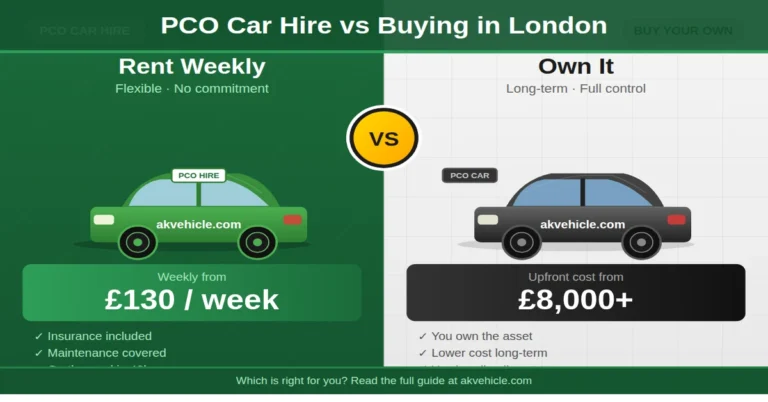
Your vehicle is your workplace and your highest ongoing cost. Most new drivers opt for PCO car hire rather than buying, as it requires no large upfront investment and the vehicle already meets TfL’s licensing requirements. As your experience and income grow, you can reassess whether purchasing makes more financial sense.
| Option | Upfront Cost | Flexibility | Best For |
| PCO Car Hire | Low | High | New drivers |
| Buying a Vehicle | High | Low | Experienced full-time drivers |
Tip 3: Understand How the Platforms Work
Uber, Bolt, and Freenow all operate slightly differently, and understanding how each platform’s algorithm works gives you a real advantage.
Responding to requests quickly, maintaining a high rating, and delivering a professional experience all directly impact how many rides the algorithm sends your way, and ultimately how much you earn.
Practical Advice for New Drivers
- Sign up for at least two platforms to keep your car moving
- Never cancel a ride without a good reason, otherwise it harms your metrics
- Keep both apps active during your shift to compare surge and demand zones
- Respond to ride requests quickly and slow responses reduce your visibility on the algorithm
Tip 4: Know Your Peak Hours and High-Demand Areas
One of the most valuable lessons for any new driver is that where and when you drive matter as much as how long you drive. Working during off-peak hours in low-demand areas will result in long waits between rides and poor earnings. Strategic drivers position themselves where demand is highest and take advantage of surge pricing.
Understanding the geography early in your career saves hours of wasted idle time and significantly boosts your weekly income.
Tip 5: Protect Your Driver Rating From Day One
Your driver rating is one of your most valuable assets as a private hire driver. On Uber, maintaining a rating below 4.6 puts your account at risk of deactivation. On Bolt and Freenow, low ratings directly reduce how many trips are offered to you.
How to Maintain a Strong Rating
- Greet passengers professionally when they enter the vehicle
- Keep your car clean, fresh-smelling, and tidy at all times
- Confirm the passenger’s name before every journey
- Offer phone chargers and keep music at a low, neutral volume
- Follow the navigation route unless the passenger requests otherwise
- Avoid taking personal calls during rides
- Stay calm and professional even when passengers are difficult
New drivers sometimes underestimate how quickly a few low ratings can damage their metrics. One bad week can take months to recover from. Start with excellent habits and maintain them consistently.
Tip 6: Track Every Expense and Understand Your Tax Obligations
Many new drivers focus entirely on their gross earnings and forget that private hire driving comes with significant deductible expenses. As a self-employed driver, you are responsible for filing your own Self Assessment tax return with HMRC each year.
Common Deductible Expenses for PCO Drivers
- PCO car hire or vehicle finance payments
- Fuel costs
- Vehicle maintenance and repairs (if owner-driver)
- PCO licence and DBS fees
- Platform service fees charged by Uber or Bolt
- Mobile phone costs (work proportion)
- Congestion Charge and parking where work-related
Keeping accurate records from your very first week makes tax season far less stressful and ensures you never overpay. Many drivers use apps such as QuickBooks or simply keep a weekly spreadsheet of income and expenses. HMRC provides self-employment guidance at gov.uk/self-assessment-tax-returns.
Tip 7: Manage Your Fuel Costs Intelligently
Fuel is one of the highest ongoing costs for any private hire driver. Without a deliberate strategy, it can seriously erode your take-home earnings.
Practical Fuel-Saving Tips
- Use apps like Petrol Prices (petrolprices.com) to find the cheapest fuel near your regular routes
- Avoid aggressive acceleration and braking, smooth driving significantly improves fuel efficiency
- Turn off the air conditioning on slower roads where possible
- Keep your tyres properly inflated under-inflated tyres increase fuel consumption
- Plan your routes to avoid unnecessary idling in heavy traffic where possible
If you are hiring a hybrid or fully electric PCO vehicle, your fuel or charging costs will be considerably lower — another reason why vehicle choice matters so much for long-term profitability.
Tip 8: Take Care of Your Physical and Mental Well-being
Driving for long hours is physically and mentally demanding. New drivers often push themselves too hard in the early weeks, leading to fatigue, poor decision-making, and even road safety risks.
Key Wellbeing Habits for Private Hire Drivers
- Never drive more than 10 hours in a single shift
- Take regular short breaks, a 15-minute break every two hours improves focus
- Stay hydrated and avoid heavy meals during long shifts
- Plan your working days to avoid overworking
- Maintain a work-life balance consistent rest improves long-term earning capacity
The Highway Code and TfL both emphasise driver fitness as a road safety requirement. A fatigued driver is a risk not only to themselves but to every passenger and road user around them.
Tip 9: Stay Compliant and Keep Your Licence Valid
Your PCO licence must be renewed every three years with TfL. Missing your renewal deadline means losing your right to work until the licence is reinstated, which can take weeks and results in lost income.
Compliance Checklist for PCO Drivers
- Renew your PCO licence before expiry
- Keep your DBS check and medical certificate up to date
- Ensure your vehicle insurance covers private hire use at all times
- Stay up to date with ULEZ and Congestion Charge zone requirements
- Check your vehicle’s MOT and service schedule regularly
TfL can and does carry out spot checks on private hire vehicles. Driving with an expired licence or an unlicensed vehicle carries serious legal penalties, including fines and disqualification.
Tip 10: Learn From Other Drivers and Keep Improving
The most successful private hire drivers treat their work like a business. They continuously look for ways to improve their earnings, reduce their costs, and deliver a better passenger experience.
Join online communities of London PCO drivers on Facebook groups, Reddit forums, and driver-specific WhatsApp groups. Experienced drivers share real-time information about surge zones, platform changes, and operational tips that you simply cannot find anywhere else.
Conclusion
Starting out as a private hire driver in London is a genuine opportunity to build a flexible and rewarding income, but success does not happen overnight. The drivers who thrive are those who get licensed correctly, choose their vehicle wisely, work during peak hours, protect their ratings, and manage their finances professionally from day one.
Whether you are planning to drive for Uber, Bolt, or Freenow, the fundamentals remain the same: be prepared, be professional, and be consistent. Use this guide as your foundation and revisit it as you gain experience on the road.